

DAIRY MANAGEMENT INC.
One organization, one mission: Aligning leaders and culture to shape the future together

When DMI launched a bold new strategy to transform the dairy industry, the real challenge wasn’t defining the direction—it was aligning every leader and every employee to own it, live it, and deliver on it together.
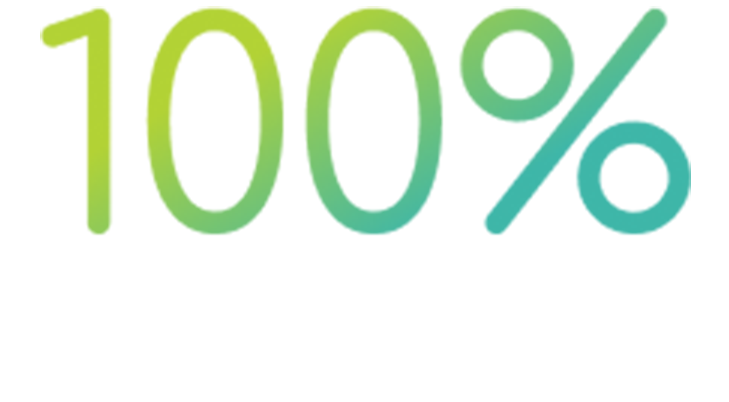
Participation in Development Days

Hours of learning delivered annually
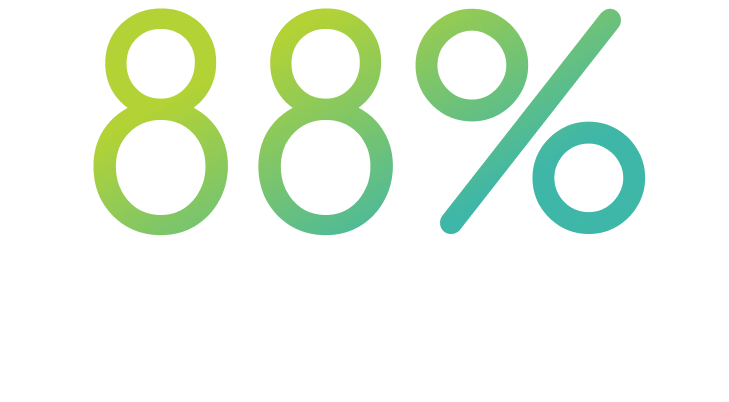
of employees saw DMI’s purpose reflected in leadership behavior
THE CHALLENGE
When good work doesn’t add up
When the new Head of HR stepped into Dairy Management Inc. (DMI), the organization had just launched an ambitious three-year strategy to support America’s 37,000 dairy farmers and increase global demand for milk. The strategy was clear, but it wasn’t taking hold in the organization.
The signs were familiar. Strong teams were doing good work, but often in parallel rather than together. As work moved across functions, it slowed down, got reworked, or pulled in different directions.
Nothing was broken. But it wasn’t adding up.
KEY SERVICES
THE INSIGHT
We partnered with HR to understand how work was happening across DMI. Through AI-powered digital conversations, a clear pattern emerged. The employee experience varied widely, but not randomly. What looked like separate challenges—alignment, consistency, execution—were connected. They pointed to a deeper issue: no shared foundation for how work should happen across functions.
Managers were committed, but without shared expectations for how to lead, collaborate, and develop their teams, inconsistency became the norm. The issue wasn’t effort. It was the absence of enterprise standards. From that insight, we defined a clear north star to guide the work: “We are preparing our people to lead the future of Dairy.”
This wasn’t a message. It became a design principle: aligning how DMI defined leadership, prioritized development, and built systems that could scale across the organization.
Alignment isn’t a message, it’s a system
THE APPROACH
Build the system that makes alignment possible
We started with DMI’s reality—how work flowed, where it stalled, and what people needed to move forward—and worked with HR to align the core elements that shape how work gets done:
Defined shared expectations.
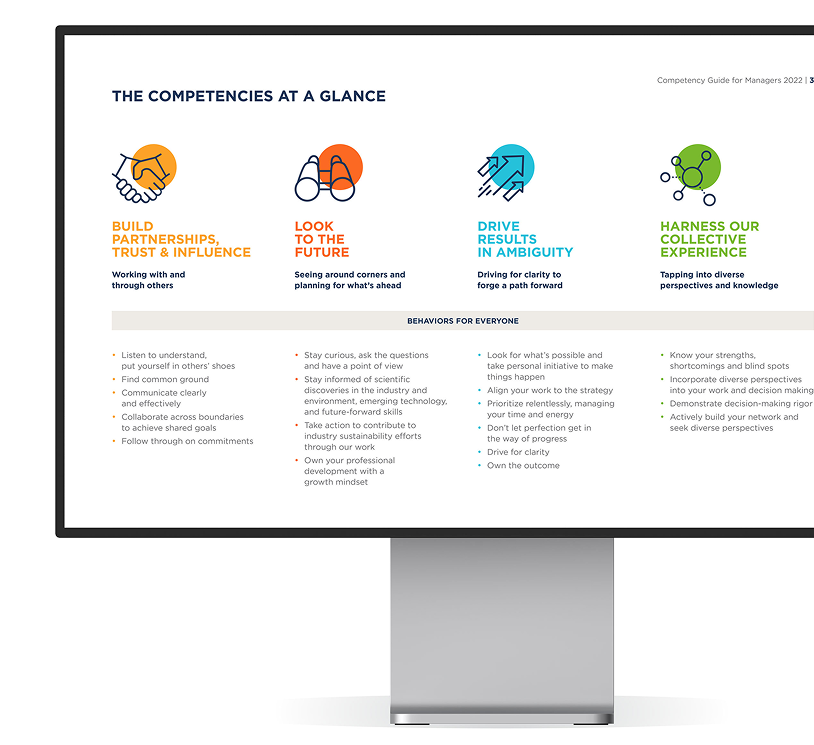
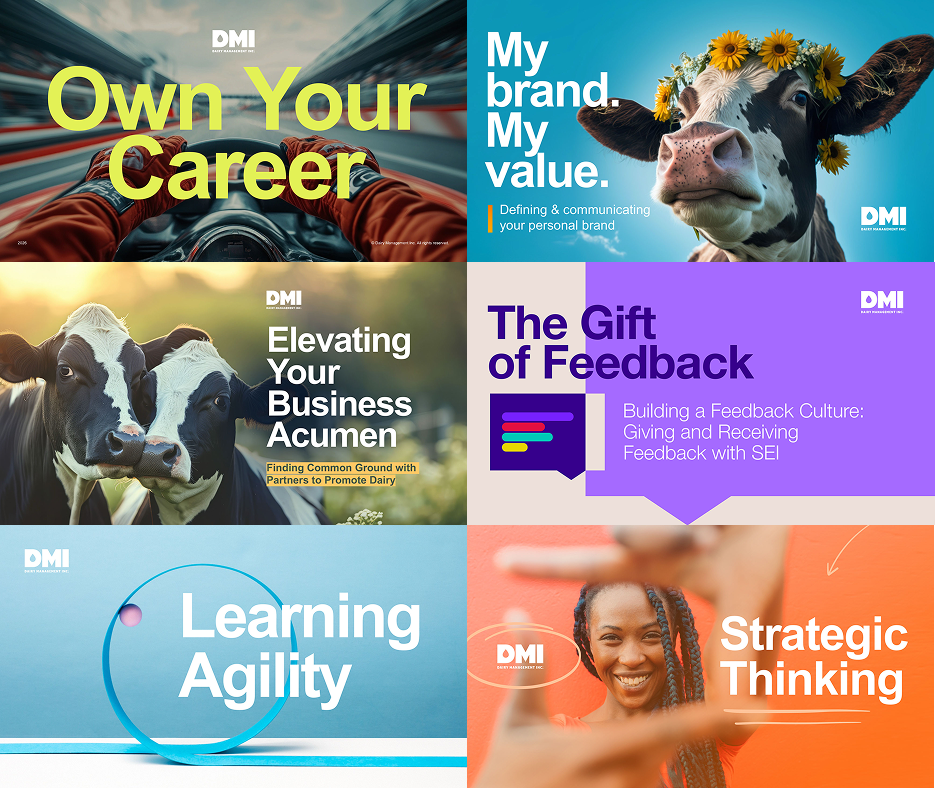
We established four enterprise-wide competencies that translated strategy into how people lead, collaborate, and make decisions.
Turned expectations into everyday behavior.
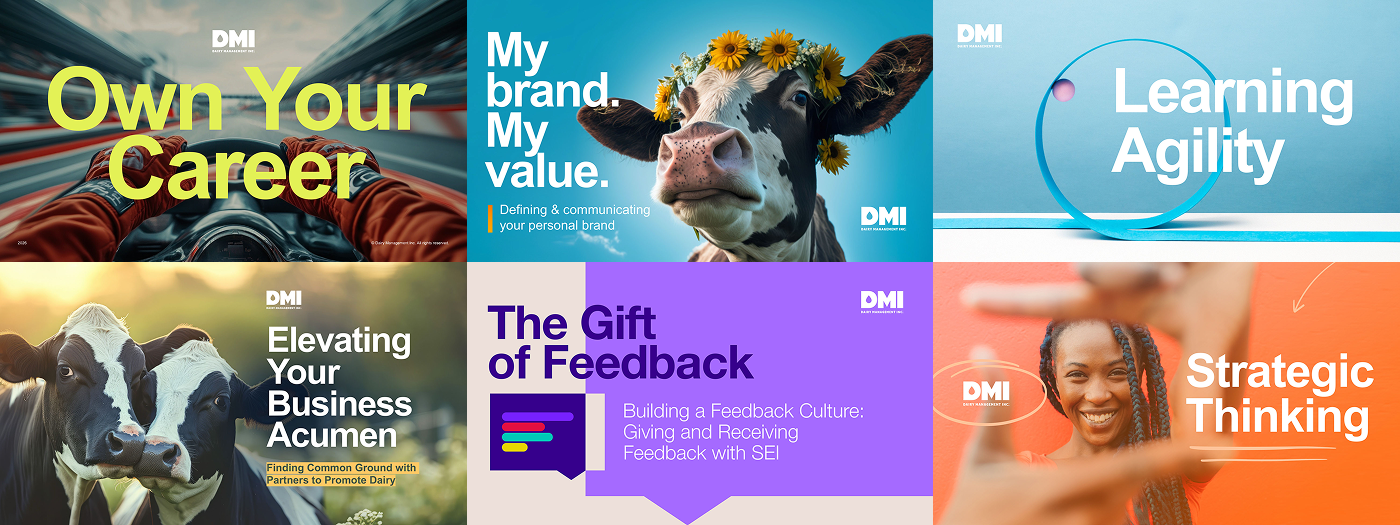
We facilitated insight-based workshops for teams to build new cultural norms in their day-to-day work around accountability, listening, collaboration, strategic thinking and learning agility.
Built capability at scale.
We redesigned DMI’s approach to learning and development, launching a new executive development program and quarterly “Development Days” that brought all staff together for focused skills-building.
Reinforced through systems.
We revamped performance management to emphasize development and coaching, providing managers with AI-powered tools to access and aggregate feedback from colleagues across the organization.
Together, these elements worked as a system, aligning expectations, culture, behavior, capability, and the mechanisms that sustain them.

With Strategy Muse’s help, we’ve been able to make a noticeable impact on our workforce, even during particularly challenging periods for our business. Our Muses have taught us to be better listeners, more engaged learners, and compassionate leaders.
SVP Human Resources
THE RESULTS
From parallel effort to shared momentum
As alignment took hold, the shift showed up across the organization:

100%
Participation in
Development Days
1,100+
Hours of learning delivered annually
95%+
Participation in instructor-led training
90%
Favorability achieved across many engagement scores
88%
of employees saw DMI’s purpose reflected in leadership behavior
87%
Felt valued as a whole person, not just for the work they do
Leaders began operating from a shared set of expectations. Cross-functional work moved with fewer false starts and less rework. Decisions became clearer as teams aligned earlier. Managers approached development more consistently, creating a more coherent employee experience. HR’s role evolved alongside it—from supporting the business to shaping how it operates.
More importantly, the work itself changed
THE TAKEAWAY
Ineffectiveness isn’t always obvious
It shows up in the gaps—when teams move in parallel, decisions pull in different directions, and effort fails to add up.
The work is bringing it back into alignment. When expectations, capabilities, and systems point in the same direction, execution stops fragmenting.
And the organization moves as one.

