

HR4U
When the real barrier to change wasn’t technology – it was belief

By reframing what HR was there to deliver, a biotech company aligned its people, experience, and technology—building a service model that scaled through rapid growth while preserving what made it feel personal.

Average visits in first 30 days, doubling projection

Employees rated the new service system positively

Inquiries were redirected from HRBPs in the first 30 days
THE CHALLENGE
A service model that couldn’t scale
In just a few years, a publicly traded biotechnology company grew nearly 900%. HR’s systems and ways of working couldn’t keep pace.
HR Business Partners operated a concierge-style model, answering employee questions across 47 different inboxes. It was personal. It was responsive. And it was completely unsustainable.
The solution seemed straightforward: implement a centralized HR service center with a self-service portal, call center, knowledge base, and case management system. After selecting a technology platform and systems integrator, the company turned to Strategy Muse to help make the shift real for employees.
KEY SERVICES
THE REALITY
This wasn’t about technology
Early progress looked promising. But as the initiative advanced, resistance surfaced.
“Self-service won’t work here.”
“Our situation is different.”
“Employees won’t use it.”
Instead of pushing through, we stepped back. We guided leaders through an empathy exercise, stepping into the perspective of each stakeholder group to surface what was really at stake. In the process, we uncovered a fundamental insight: This wasn’t about a system. It was about identity. For many in HR, answering questions wasn’t low-value work—it was how trust was built. It was how issues surfaced early. It was how HR showed up and defined their value.
Automation didn’t feel like progress. It felt like erasure.
THE SHIFT
From efficiency to experience
We helped leaders reframe the change. This wasn’t about removing human connection. It was about protecting it—by creating space for HR to focus on the moments that actually require their judgment, empathy, and expertise.
From there, the work expanded.
We moved beyond mass messaging, actively engaging HR and employees in the transition. HR business partners were equipped with tools and training to lead conversations with their peers, gather input, and address concerns.
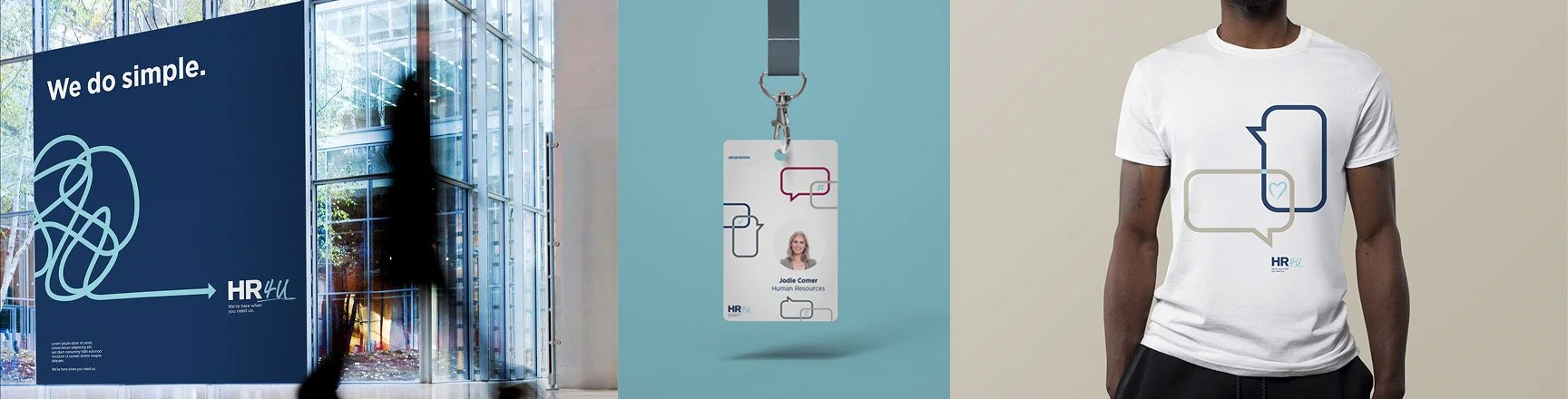
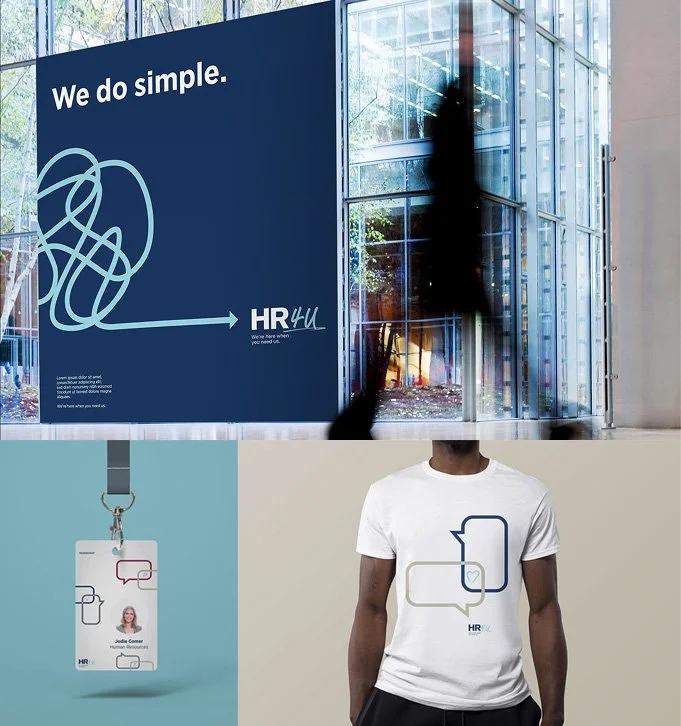
We brought employees into the process, inviting them to help name the experience and define what it should feel like. That input became the foundation for a new brand identity, designed to reflect a simpler, more personal, more human HR experience.

They used their magic to pull from us our thoughts and wish list and package it into something that conveyed, beyond our wildest dreams, a portal that became the envy of our IT colleagues.
Director, HR Operations, Global Biotech Company
THE BUILD
Making the experience real
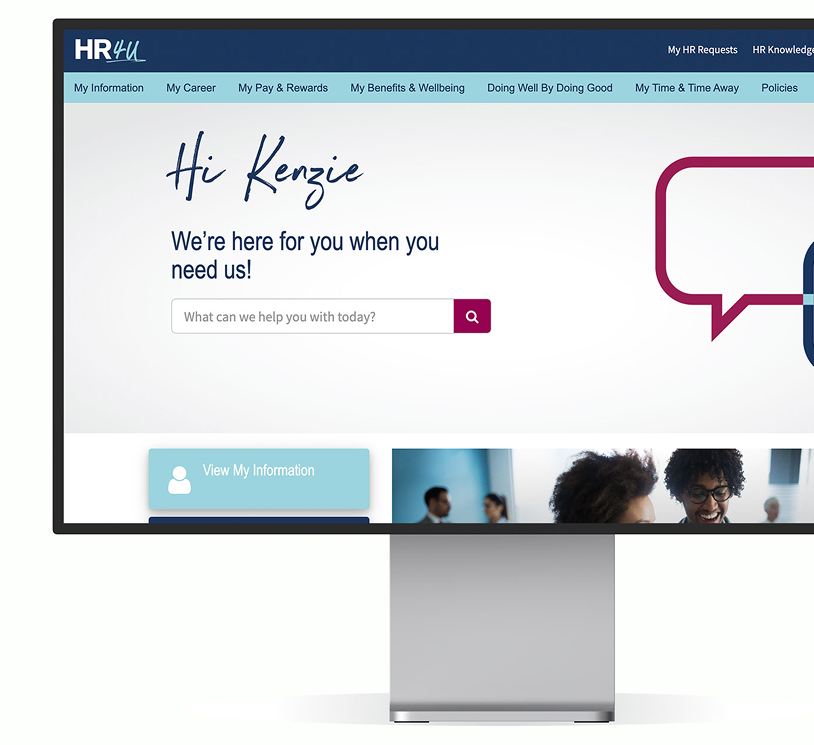
The portal wasn’t just redesigned. It became the front door to a new experience. We embedded the brand into the interface and into how service agents showed up in every interaction, so the experience felt consistent, human, and intentional from end to end.
To drive adoption, we brought the experience to life through light, engaging videos, targeted digital messaging, and practical training—making the shift feel approachable, not imposed.
As one client noted:
“It was clear we needed Strategy Muse to take us to places we couldn’t get to by ourselves.”
To help make the change stick, we held a “victory rally” where we celebrated the HR team’s expertise and their collective success in launching the new platform.

THE RESULTS
A change people chose to use
3.5x
Average visits per employee in the first 30 days, doubling projections
90%+
Employees rated the new
service system positively
31K
Inquiries were redirected
from HRBPs in the first 30 days
“I’ve never seen employee adoption this high, this fast.”
Chief HR Officer
THE TAKEAWAY
Change only sticks when people believe it will lead to something better
Brands turn that belief into something people can experience—moment by moment. When you intentionally shape those moments and align the organization to deliver them, technology doesn’t replace the human experience. It makes it possible to scale it.

